Category
SaaS
SaaS - Software as a Service
SaaS (Software as a Service) is a way of delivering software over the Internet that has changed the approach to business tools, especially in small and medium-sized companies. Instead of buying perpetual licenses and installing programs on your own servers, you pay a subscription - monthly or annually - and use an application running in the cloud. It sounds simple and convenient, and in practice it often is: a quick implementation of a CRM or invoicing tool can take days, not weeks.
For SMEs, the biggest benefits are cost savings and flexibility. You don't have to invest in expensive hardware or deal with updates or backups yourself - that's usually on the provider's side. Popular examples include HubSpot for sales, Asana for task management, iFirma for accounting or BambooHR for HR. However, it's worth remembering that such "everything in the cloud" can also come with risks: dependence on the provider, rising fees or problems with data migration.
Key advantages are automatic updates, access from any device and easy scaling - add users or features as your business grows. It's important to check data security, server location (e.g. EU vs. US), SLA terms and data export. In my experience, it's also a good idea to test integrations, API availability and take advantage of trial periods before locking yourself into one solution.
Articles 1 - 3 from 3 Posts

Marketing on the Internet
QR Code and Short Link - how to use them in online marketing
20 Feb 202621 min
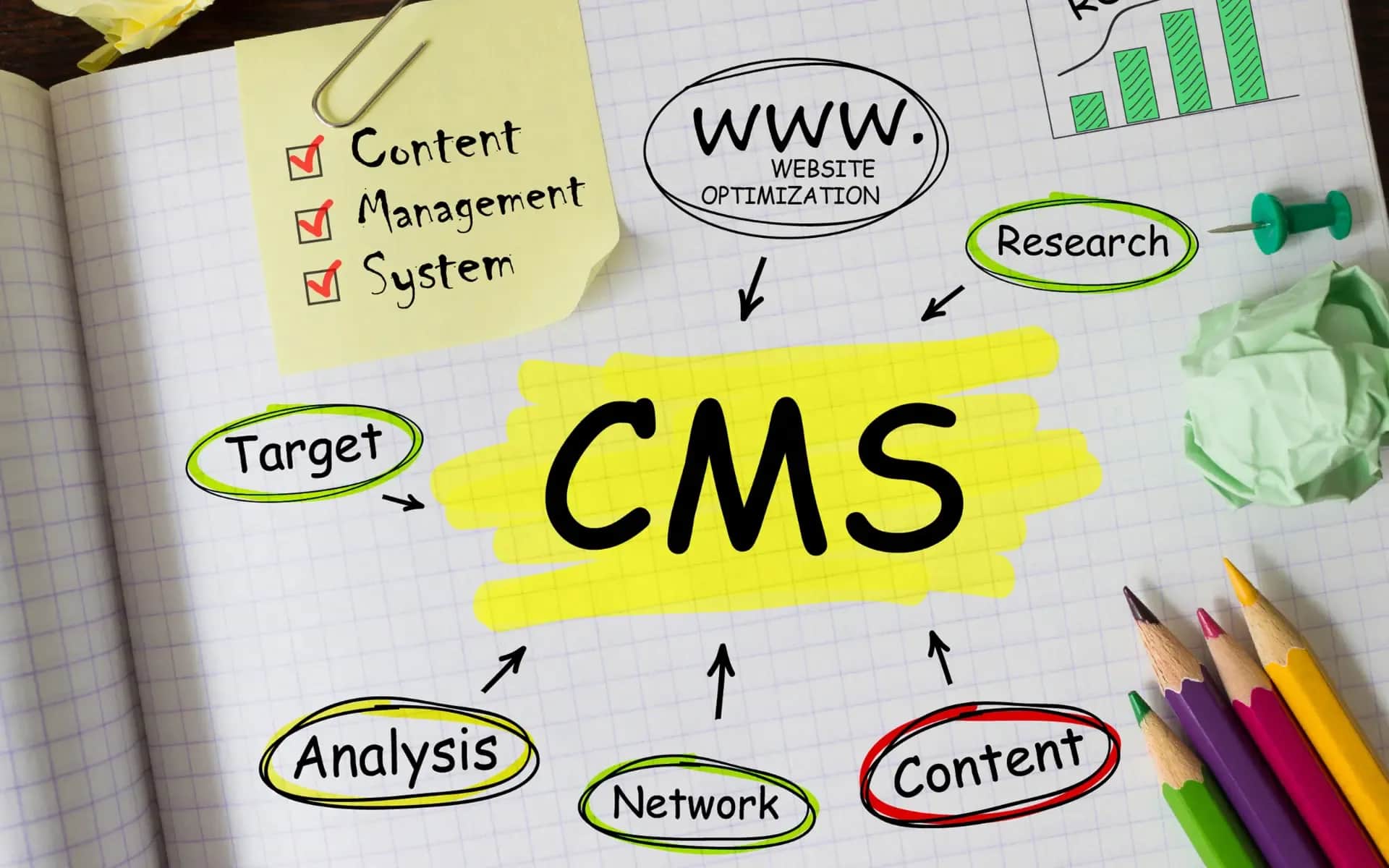
CMS - Content Management System
CMS without code - how to build a site and scale without programming
11 Dec 202521 min

12 Mar 202510 min